The primary difference between these two footwear styles is that a platform shoe features an elevated heel and toe, while a flatform shoe maintains a consistent, level height across the entire length of the sole. Understanding the nuances of flatform vs platform footwear allows a person to make an informed decision based on their specific needs for comfort, style, and mechanics. It is simple.
SpellingOctober 14, 2026
Flatform vs. Platform: Understanding the Key Differences
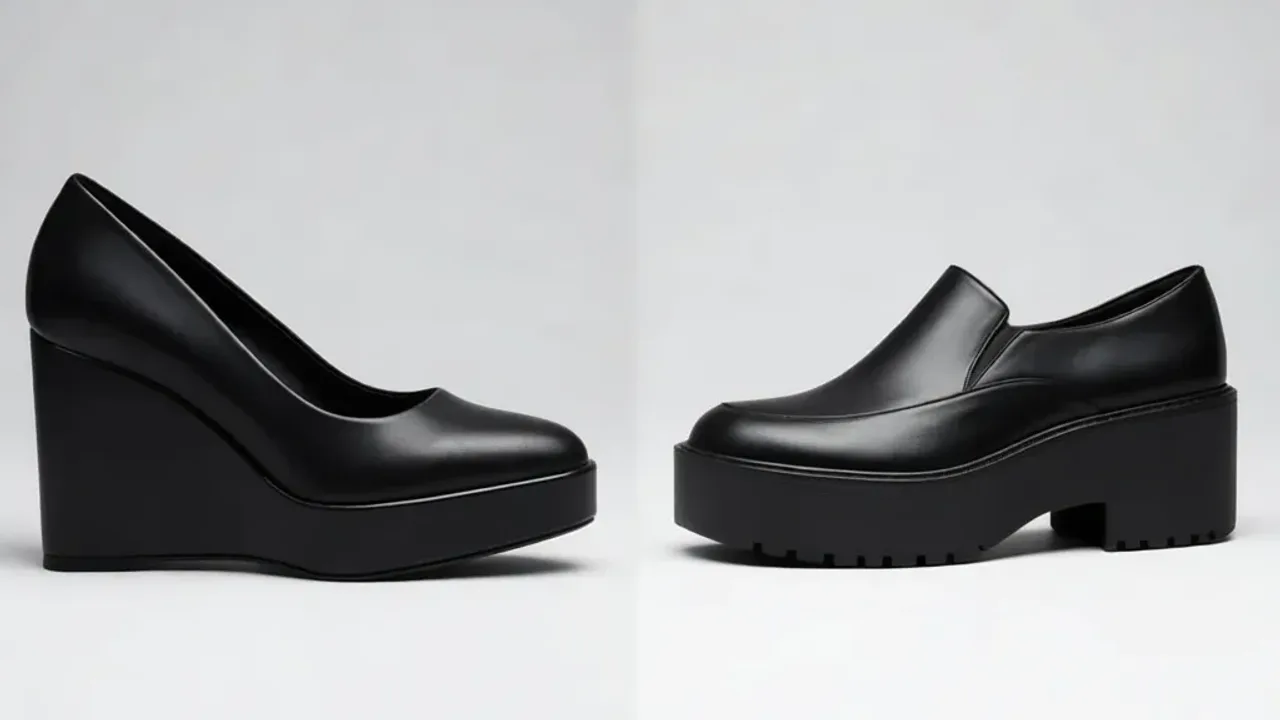 AI-generated image
Key Takeaways:
- Platforms provide a sloped elevation, whereas flatforms offer a flat, uniform height.
- The main structural distinction is the incline of the foot bed within the shoe.
- Flatforms are generally chosen for stability, while platforms are favored for a more formal aesthetic.
- Both styles utilize thick soles to increase stature, which often leads to confusion between the two terms.
When selecting footwear, the profile of the sole is the most significant factor to consider. A platform shoe is engineered to provide height by thickening the entire base, but it maintains the classic geometry of a heel. This means the ball of the foot sits lower than the heel, creating an incline. In contrast, a flatform is defined by its horizontal plane. The sole remains the same thickness from the toe to the heel, keeping the foot in a neutral position regardless of how much height is added to the wearer.
| Feature | Platform | Flatform |
|---|---|---|
| Sole Elevation | Elevated heel and toe | Uniformly level |
| Foot Inclination | Angled position | Horizontal position |
| Walking Mechanics | Mimics traditional heel | Mimics flat shoe gait |
| Typical Usage | Formal or evening | Casual or daily |
When to Use Which
Selecting the right footwear depends on the intended activity and the desired level of comfort. Consider the following recommendations to ensure you choose the best fit for your lifestyle:
- Choose platforms for events requiring a dressier silhouette, as the sloped design mimics the look of a traditional heel, which is often preferred for formal settings.
- Opt for flatforms when walking for extended periods. They provide a stable, level surface that reduces foot fatigue by distributing weight evenly across the entire foot.
- Use platforms if you want the aesthetic benefit of added height while maintaining a classic, inclined foot position that elongates the leg line.
- Select flatforms for casual, everyday environments, such as street-style outings or work settings, where a grounded and secure feel is the priority.
The choice is yours. However, the physical requirements of your day should dictate the final decision. If you plan on standing for several hours, the mechanical advantage of a flat sole is nearly impossible to ignore. Platforms offer a distinct visual appeal that is hard to replicate, but they do require a different gait than a standard flat shoe.
Why These Styles Are Often Confused
The confusion regarding flatform vs platform designs arises because both categories fall under the umbrella of thick-soled footwear. Because each design offers significant height, they are frequently grouped together in casual fashion discussions. The lack of a strict, standardized definition in everyday language means the terms are often used interchangeably. This causes confusion.
Keep these points in mind when distinguishing between the two styles in a retail setting:
- Examine the sole profile from the side to see if there is an incline or a slope from the heel to the toe.
- Check the position of the heel relative to the toe to determine if the foot is being pushed into an angled position.
- Consider the intended purpose and the level of arch support provided by the specific construction of the shoe.
- Look for the blocky, uniform look of a flatform which is distinct from the more tapered, sloped look of a platform.
Frequently Asked Questions
Is a flatform considered a type of platform?
Technically, a flatform is often categorized as a sub-type of platform footwear because it utilizes a thick, heavy sole. However, it is distinguished by the total absence of the incline found in traditional platforms.
Which style provides more comfort?
Most individuals find flatforms more comfortable for extended use. They keep the foot in a neutral, flat position. Platforms can cause foot fatigue similar to high heels due to the angle of the foot within the shoe, which shifts pressure to the forefoot.
Are platforms better for formal events?
Platforms are typically viewed as more appropriate for formal occasions. Their sloped design creates a more classic, dressy silhouette that pairs well with formal attire. Flatforms are generally associated with a casual, street-style aesthetic.
How does the walking experience differ?
Walking in platforms involves a gait similar to wearing heels. Walking in flatforms feels closer to wearing a standard flat shoe. This mechanical difference is the most practical way to distinguish between the two designs in motion.
Can flatforms be worn in professional settings?
Yes, many modern flatforms are designed with clean, minimalist aesthetics that fit well in business-casual environments. They offer the height of a heel without the physical strain of an incline, making them a popular choice for long workdays.
Podsumowanie
When evaluating flatform vs platform options, remember that the choice rests on whether a sloped or level surface is required for your activity. Prioritize flatforms for all-day comfort, while reserving platforms for occasions where a traditional, inclined heel aesthetic is desired.
Share: