The primary difference between these terms is that "lightning" is a noun describing an atmospheric electrical discharge, while "lightening" is the present participle of the verb "to lighten," meaning to make something less heavy or brighter in color. Understanding the distinction in lightning vs lightening is essential for maintaining precision in written communication. While they share a similar root, their functions in a sentence are entirely distinct.
SpellingNovember 11, 2026
Lightning vs. Lightening: What Is the Correct Difference?
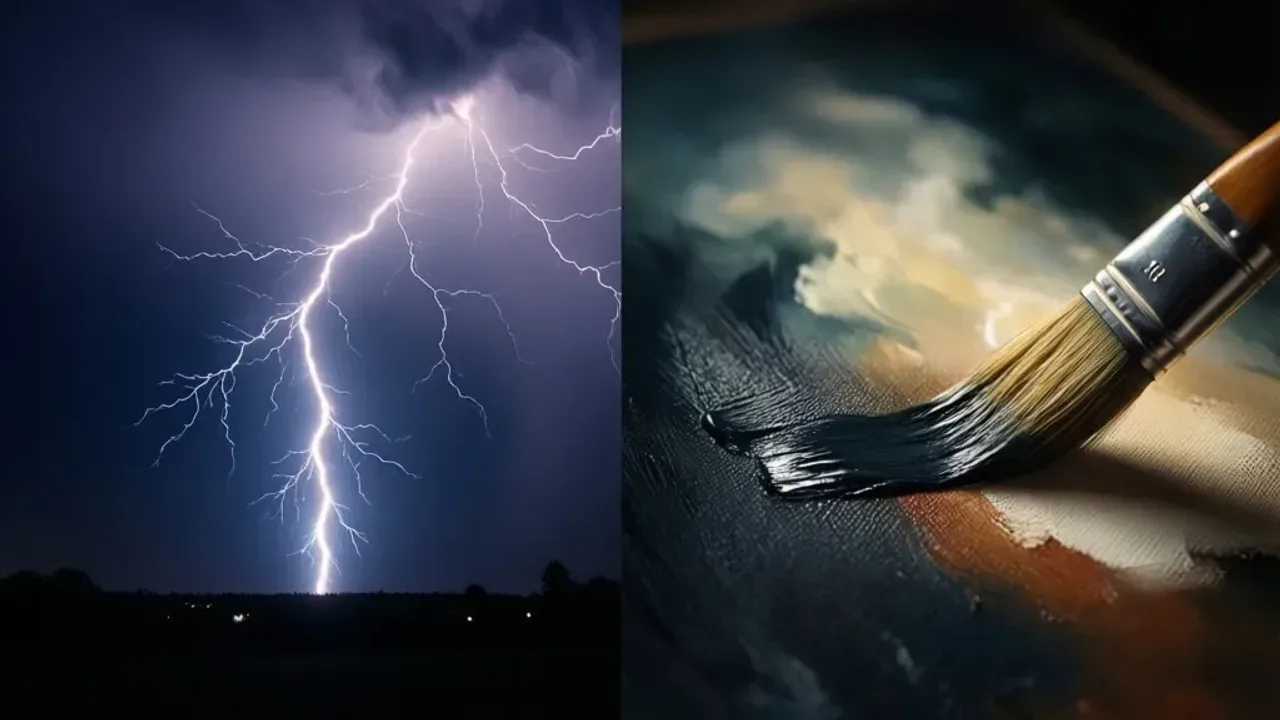 AI-generated image
Key Takeaways:
- "Lightning" refers specifically to the flash of light seen during a thunderstorm.
- "Lightening" is the process of reducing weight or altering a shade to be lighter.
- The presence of the letter "e" after the "n" is the definitive way to distinguish the two.
- Using the correct spelling ensures technical accuracy in both meteorological and general contexts.
Defining Lightning
Lightning is a natural, high-voltage electrical discharge occurring within the atmosphere. It is most commonly associated with thunderstorms and is characterized by a sudden, intense flash of light. Because it is a noun, it functions as the subject or object in sentences concerning weather events. When you observe a storm, you are witnessing lightning. It is a simple concept that carries immense power. The word should never contain an "e" after the second "n." If you are writing a report on weather patterns or describing a storm's intensity, this is the only correct spelling to use.
Defining Lightening
Lightening acts as the present participle of the verb "to lighten." It describes the action or state of becoming less heavy or shifting a color to a lighter tone. This term is used in various contexts, from physical weight reduction to the visual process of brightening a color palette. If you are describing the act of making a container lighter or changing the color of a wall, lightening is the correct term. It is a process of change. This verb form is versatile and appears frequently in creative, technical, and general writing whenever a shift in weight or color occurs.
| Feature | Lightning | Lightening |
|---|---|---|
| Grammatical Category | Noun | Verb (Present Participle) |
| Core Definition | Atmospheric electrical flash | Becoming lighter (color/weight) |
| Context | Weather and storm events | Physical or visual changes |
| Spelling Constraint | No "e" following the "n" | Includes "e" after the "n" |
When to Use Which
Determining the correct term depends entirely on your intended meaning. If you are describing the weather, lightning is the only correct choice. When you are writing about a process of change, such as lightening a load or lightening a dark room, you must use the "e." Mastering lightning vs lightening allows for clear and accurate reporting of both natural phenomena and physical actions. It prevents confusion in your readers.
Consider these scenarios to help guide your word choice:
- Use "lightning" for meteorology, weather reports, scientific descriptions, and safety warnings about storms.
- Use "lightening" when describing an increase in brightness, a decrease in physical weight, or a shift in color intensity.
- Always proofread for that extra "e" after the "n" when you intend to describe a process of change.
Sources of Confusion
The confusion between these two words exists primarily due to their near-identical visual profile. Because they share the same base consonants, the silent "e" in "lightening" is frequently omitted by accident. This results in writing that describes a weather phenomenon when the author actually intended to discuss a process of change. Careful attention to the spelling of lighten as the root verb for lightening helps resolve this inconsistency. It is a common slip that even experienced writers make. By focusing on the root verb, you can avoid the error.
Follow these steps to ensure accuracy in your writing:
- Verify the context of your sentence before finalizing the spelling.
- Remind yourself that the noun for the storm does not contain an "e."
- Check that the verb form includes the "e" when describing an ongoing process.
- Read your sentence aloud to see if it describes a weather event or an action.
Frequently Asked Questions
Is "lightning" ever used as a verb?
No, "lightning" is strictly a noun. It refers solely to the electrical discharge in the atmosphere and cannot be used to describe the action of becoming lighter.
Can "lightening" describe a thunderstorm?
No, "lightening" is not appropriate for describing atmospheric electrical activity. Using this spelling for a storm is a significant grammatical error.
Why is there an "e" in "lightening"?
The "e" exists because the word is a derivative of the verb "lighten." When you add the suffix "-ing" to the verb, the spelling remains consistent with the root word.
How can I remember the difference?
Think of "lightning" as the fast flash from the sky. It happens too quickly for an extra "e." "Lightening" represents a process that takes more effort.
Are these terms interchangeable?
No, they are never interchangeable. Using lightning when you mean lightening creates significant confusion for the reader regarding your intent.
To ensure accuracy in lightning vs lightening, always verify if your subject is a weather event or a process of change. Remember that lightning describes a storm, while lightening requires an "e" to describe a reduction in weight or intensity.
Share: