Understanding the concept of weight in manual or digital measurement is a common requirement for hobbyists, kitchen enthusiasts, and those who need to verify the accuracy of small household scales. When asking what weighs 10 grams, it is helpful to look at standardized objects that are easily accessible. Two U.S. nickels provide a perfect example, as each coin is manufactured to weigh exactly 5 grams. By combining these, you achieve a precise 10-gram reference point.
MeasurementsOctober 17, 2026
What Weighs 10 Grams? Everyday Items and Calibration Tips
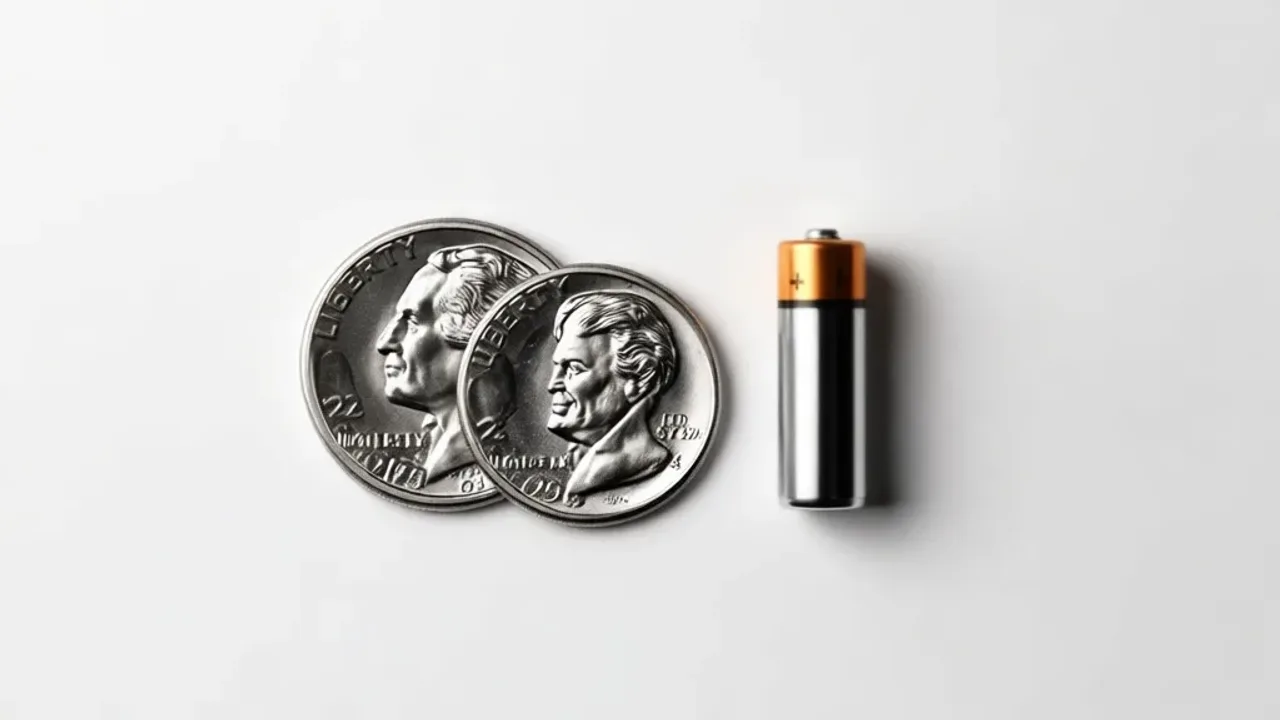 AI-generated image
Key Takeaways:
- Two U.S. nickels equal exactly 10 grams.
- Household items like AAA batteries can approximate this weight.
- Standardized currency is the most reliable reference for calibration.
- Mass variations occur based on material composition and age.
Common Household Objects and Their Mass
The quest to identify what weighs 10 grams often leads to the kitchen or the desk drawer. Many items we interact with daily have a mass that, while not always exactly 10 grams, sits close enough to serve as a functional baseline for non-critical measurements. It is important to note that mass is a product of density and volume, which varies across materials.
When you need to verify if a digital scale is performing correctly, you do not always need professional-grade test weights. Instead, you can look to common currency. The United States Mint produces coins with strict tolerances. Because these coins are minted in massive quantities for circulation, their weight is highly consistent. Using four U.S. pennies, which weigh 2.5 grams each, provides another reliable way to reach the 10-gram threshold.
Beyond currency, consumer electronics provide secondary options. A standard AAA battery is a common household object often cited as weighing roughly 10 grams. However, unlike currency, battery mass varies significantly depending on the manufacturer and the internal chemical composition. Some alkaline batteries are slightly heavier than lithium-based alternatives. Always consider the brand specifications if you require high precision.
| Item | Quantity | Estimated Total Mass |
|---|---|---|
| U.S. Nickel | 2 coins | 10.00 grams |
| U.S. Penny | 4 coins | 10.00 grams |
| Standard AAA Battery | 1 unit | ~10–12 grams |
| Standard U.S. Letter Paper | 2 sheets | ~9–10 grams |
The Role of Standardization in Measurement
Measurement standardization is the backbone of consistent results. Whether you are baking a recipe or shipping a lightweight package, knowing the weight of small items is essential. The government regulatory process for currency ensures that every nickel in circulation serves as a reliable weight standard. This consistency is why coins are the preferred tool for checking scale calibration.
When you search for what weighs 10 grams, you are essentially looking for a "calibration weight." In technical terms, calibration is the process of configuring an instrument to provide a result for a sample within an acceptable range. If your scale displays 10.0 grams when you place two nickels on the tray, your device is likely in good working order. If the reading is 9.8 or 10.2, the device may require a recalibration sequence.
It is important to remember that physical objects change over time. Coins lose material through friction and chemical exposure. A coin that has been in circulation for a decade will weigh slightly less than a coin fresh from the mint. For the most accurate testing, select coins that appear clean and show minimal signs of surface wear. This simple habit improves your measurement success.
Practical Calibration Steps and Best Practices
To ensure your scale remains accurate, follow a consistent procedure. Start by placing your scale on a hard, level surface. Uneven surfaces are the most common cause of inaccurate weight readings. If the scale is on a carpet or a soft mat, it will likely provide inconsistent data.
- Clear the surface of the scale of all items.
- Turn the scale on and allow it to reach a steady zero reading.
- Place your chosen reference weights, such as two 5-gram nickels, in the center of the platform.
- Observe the measurement. If the scale allows for manual calibration, initiate that mode now.
- Once the scale confirms the weight, remove the items and ensure it returns to zero.
Sometimes, the environment affects the reading. Airflow from a ceiling fan or an open window can disturb a sensitive digital scale. Always conduct your weighing in a draft-free area to get the best results. Small details matter in precision work.
Factors Influencing Mass Variations
Not everything labeled as a specific weight will hit that target perfectly. When dealing with what weighs 10 grams, you must account for manufacturing tolerances. A manufacturer might aim for a specific mass, but the production process allows for slight deviations. This is known as a tolerance level.
Paper is a prime example of an item with inconsistent mass. A sheet of standard U.S. letter paper is generally measured by its weight per ream. Because the moisture content of paper changes with the humidity of the room, two sheets of paper may weigh slightly more on a rainy day than on a dry one. This is why paper is a poor choice for high-precision calibration.
Batteries also present a unique challenge. A battery contains internal components that are consumed or altered as the battery is used. An old battery might weigh slightly less than a brand-new one due to chemical reactions occurring within the casing. If you are using a battery to test a scale, ensure it is a new, sealed unit to reduce uncertainty.
Frequently Asked Questions
How can I verify if my scale is accurate using 10 grams?
Place two U.S. nickels on the center of the scale. Because each nickel is strictly manufactured to weigh 5 grams, the total should be exactly 10 grams, confirming the scale is calibrated.
Are all AAA batteries exactly 10 grams?
No, AAA battery weight varies by brand and internal chemistry. While many hover near 10 grams, they are not precise enough to be used as a primary calibration tool compared to coins.
Why is it better to use coins instead of paper?
Coins are produced under government oversight with strict weight tolerances. Paper density is inconsistent and changes based on environmental humidity, making it unreliable for precise testing.
Does the age of a coin affect its weight?
Yes, heavy circulation causes material loss through friction. For the best accuracy, use coins that are clean and show minimal surface wear, as these are closer to their original mint weight.
Can I use other denominations to reach 10 grams?
Yes, four U.S. pennies are a great alternative. Each penny is engineered to weigh 2.5 grams, so four of them provide a perfect 10-gram reference for your scale verification needs.
To conclude, using standardized currency like U.S. nickels provides the most reliable method for checking your scale. Always use clean, well-preserved items to ensure your measurements remain consistent and accurate.
Share: