Four feet is equal to 48 inches, which translates to exactly 121.92 centimeters. Many people wonder how big is 4 feet when they are planning furniture layouts, measuring fabric, or checking material dimensions for home improvement projects. This length serves as a fundamental measurement in the imperial system and acts as a reliable reference point for various daily tasks. Whether you are a professional contractor or someone working on a weekend DIY project, understanding this dimension is essential for accuracy.
MeasurementsOctober 8, 2026
How Big Is 4 Feet? 48 Inches and 121.92 Centimeters Explained
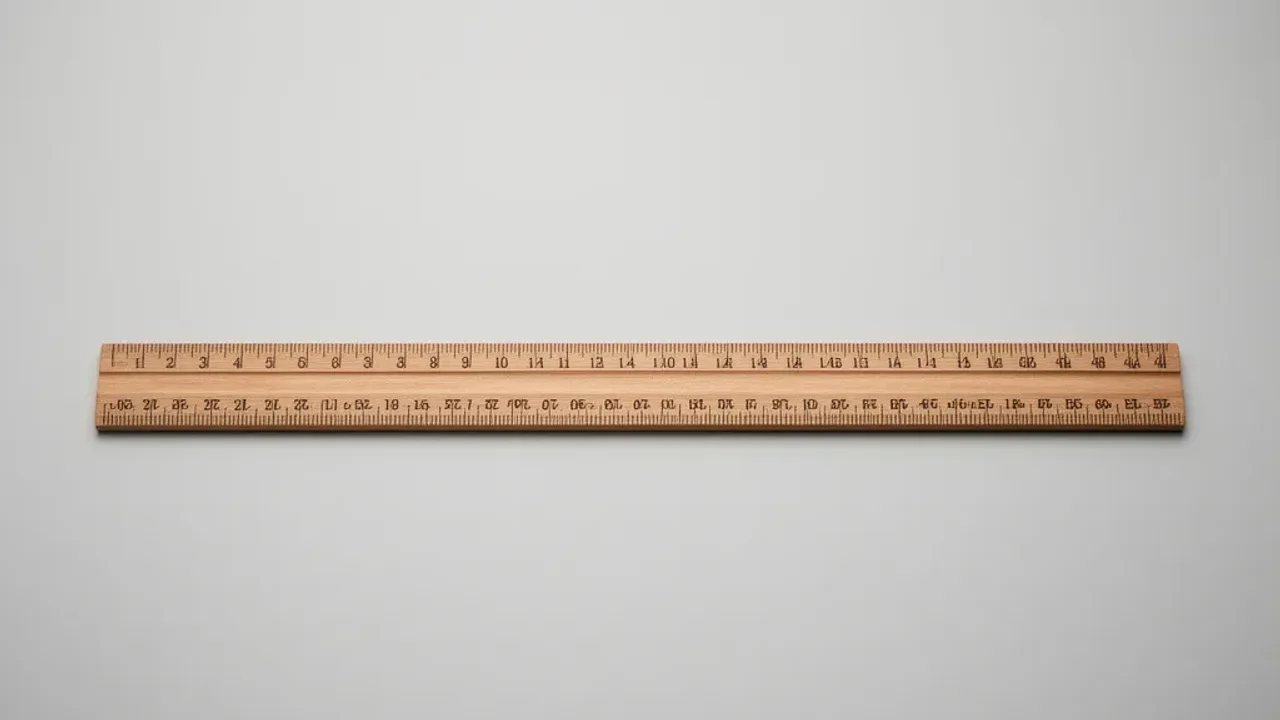 AI-generated image
Key Takeaways:
- Four feet is equivalent to 48 inches or 121.92 centimeters.
- The measurement follows the imperial system where one foot equals 12 inches.
- You can convert this length to roughly 1.22 meters.
- This dimension is common for household furniture, fencing, and safety standards.
Visualizing the scale of 4 feet
Understanding how big is 4 feet helps when selecting materials or planning a room. This length is common in residential construction and furniture design. It serves as a baseline for various standard objects you likely encounter every day. Since one foot is defined as 12 inches, calculating this distance is straightforward for most people. When you visualize a 4-foot span, it helps to think of objects that fit this specific size.
Many standard dining tables, for instance, have a width or length that aligns with this measurement. Similarly, residential fencing is often constructed to a height of 4 feet, providing a balance between security and aesthetic appeal. Small desks and shelving units also frequently utilize this dimension to ensure they fit within standard room layouts without taking up too much floor space. By recognizing these common objects, you can develop a mental sense of scale that makes future measurements easier.
| Unit | Conversion Factor | Total for 4 Feet |
|---|---|---|
| Inches | 12 inches per foot | 48 inches |
| Centimeters | 2.54 cm per inch | 121.92 cm |
| Meters | 0.0254 m per inch | 1.2192 m |
| Yards | 0.333 yards per foot | 1.33 yards |
The importance of unit conversion
In a globalized world, switching between the imperial and metric systems is a frequent necessity. While the United States primarily uses the imperial system, the metric system is the international standard for scientific and technical fields. Knowing that 4 feet equals 121.92 centimeters allows for seamless integration when working with imported materials or international building codes. Accuracy here is vital.
Precision matters. Even a slight deviation in measurement can lead to errors in construction or design. When ordering materials online, you might find that specifications are listed in meters or centimeters. Having the conversion factor of 2.54 centimeters per inch memorized or noted ensures that your project remains on track. It is a simple calculation, but one that prevents costly mistakes.
Practical considerations for measurements
When working with a 4-foot length, keep these guidelines in mind for the best results:
- Verify your measuring tool is calibrated to the standard imperial foot.
- Use 121.92 centimeters if your project requires metric precision.
- Round to 1.22 meters for quick construction estimates.
- Account for material thickness during your measuring process.
- Always measure twice before making any permanent cuts.
Things to remember include the relationship between different units. Four feet is longer than a meter. A meter measures roughly 39.37 inches. This distinction is vital for those asking how big is 4 feet while switching between systems. Precision is key. Do not rush your work. Double-check your numbers. It saves time.
Applications in interior design
Interior design relies heavily on spatial awareness. A 4-foot span is a standard dimension for corridors or walkways, ensuring that people can move comfortably through a space. In smaller apartments, a 4-foot bookshelf or desk can maximize utility without overcrowding the area. Designers often use this dimension as a grid reference when planning furniture arrangements in living rooms or offices.
Consider the ergonomics of your space. A 4-foot desk width provides adequate room for a computer setup while remaining compact. If you are building custom cabinetry, this size is also common for lower counter segments. By sticking to standard dimensions, you can often save money by utilizing pre-cut materials available at hardware stores. It simplifies the build process significantly.
Common errors in measurement
Measuring errors often occur due to improper tool usage or confusion between systems. It is easy to confuse inches with centimeters if you are not paying close attention to the markings on your tape measure. Always ensure you are reading the correct side of the tool. A common mistake is failing to account for the thickness of the blade on a tape measure when taking an inside measurement.
Another error involves rounding too early in the calculation process. If you are calculating dimensions for a large project, keep the full decimal value—121.92 centimeters—until the final step. Rounding to 122 centimeters too soon can result in cumulative errors across multiple segments of a project, potentially leading to a structure that is not square or level. Stay consistent.
Frequently Asked Questions
How many centimeters are in 4 feet?
There are exactly 121.92 centimeters in 4 feet. This comes from multiplying 48 inches by the standard conversion factor of 2.54 centimeters per inch.
Is 4 feet the same as a yard?
No. Four feet is longer than a yard. Since one yard contains 3 feet, 4 feet equals 1.33 yards.
How does 4 feet compare to a meter?
Four feet is longer than one meter. While a meter is approximately 39.37 inches, 4 feet measures 48 inches, making it notably larger.
What items measure 4 feet?
Small desks, dining table widths, and bookshelf heights often use this dimension. Residential fences also frequently stand 4 feet tall for standard security.
How do I convert 4 feet into meters?
To convert 4 feet into meters, multiply 48 inches by 0.0254. The resulting measurement is exactly 1.2192 meters.
Why is 4 feet a common measurement?
It is a standard dimension because it fits comfortably into common room sizes and building materials. It is neither too large nor too small for daily utility.
Four feet is equivalent to 48 inches or 121.92 centimeters. Always use a reliable tool to ensure accuracy in your projects, as precision is the foundation of quality work.
Share: